Founder Notes
Why so many Airbnbs feel dead inside
A blunt note on beige investor flats, anonymous check-ins, and why a stay with an actual human behind it still matters.
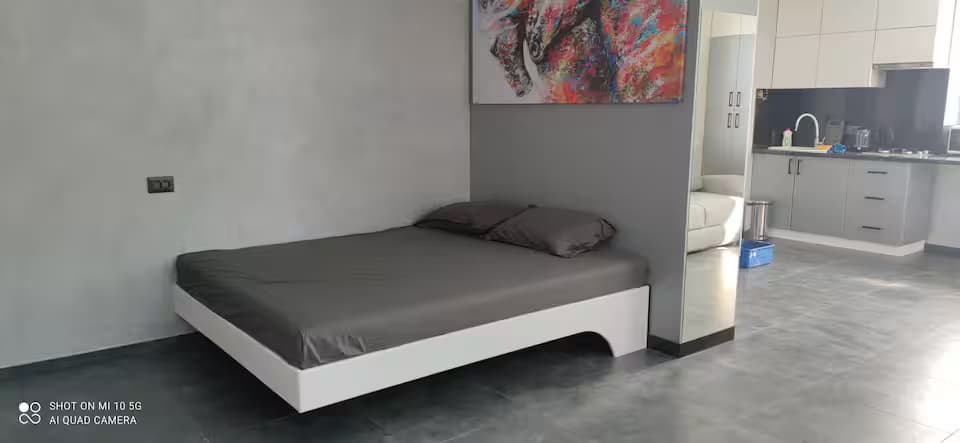
They stopped being homes
A lot of short-stay listings started from a reasonable idea: somebody had a spare room, or they were away for a week and thought someone else might use the place. Fair enough. Then the model got copied, scaled, stripped of any personality, and optimised until the whole thing started feeling like a spreadsheet with better photos.
Now plenty of listings look as if they were built for yield before they were built for people. Same palette, same stock art, same key safe, same vague promise of "modern comfort". Clean enough, maybe. Human, not really.
There is also a legal and neighbourhood angle people tend to skip over. The more a place behaves like a mini hotel, the less convincing the "this is just normal home sharing" story becomes. I am not a lawyer, but if the model only works when nobody asks too many questions, that should probably give you pause.
Why that matters more than people admit
People sometimes act like a bed is a bed and the rest is just aesthetics. I do not buy that. The place you stay sets the tone for the trip. A flat with proper light, a workable kitchen, and signs of actual life makes a city feel open. A beige box with a lockbox code makes the whole stay feel transactional before you have even put your bag down.
It also changes accountability. If the "host" is really a management company with twenty near-identical listings, you are not getting local context or much care. You are getting access details, a cleaning fee, and a decent chance that the place has been designed to photograph well rather than live well.
A stay does not need to be luxurious. It does need to feel like a person thought about living there.
How we filter out the dead ones
You can usually get a decent read from the listing before you book. Not perfect, but decent.
Red flags
- Everything is beige, grey, or pretending not to exist.
- The copy says nothing about the neighbourhood at all.
- The host feels more like a checkout robot than a person.
- The place looks staged for photos rather than set up for an actual week of living.
Better signs
- There are books, plants, art, or signs of a real routine.
- The host can tell you where to get breakfast nearby.
- The kitchen looks usable, not decorative.
- The flat feels collected over time, not bulk ordered.
What we are trying instead
StayCloseBy is our attempt to keep the useful part of short stays and ditch the lifeless bit. We start with homes that are actually lived in. We meet people for coffee. We keep the network local. And if something does not stack up, we say no.
That is slower than building a giant listing directory. It is also a far better way to make sure the place has a real human behind it, which is the whole point.
What stays
Flexibility, lower prices than hotels, and a host who actually knows the area.
What goes
Anonymous lockbox culture, fake polish, and pretending all listings are equally trustworthy.
Bottom line
If you want instant booking across every neighbourhood and zero friction, we are not pretending to be that. But if you are tired of paying proper money for a place that feels dead on arrival, then a smaller and more human model makes a lot more sense.
I would rather stay in a flat with a few odd books, a decent mug, and a host who has actually lived there than another expensive room that feels like a tax strategy.
The short version
Homes feel better when they are still homes. That sounds obvious, but the market has somehow forgotten it.